ON-THE-GROUND BUYER PREPARATION / FIELD BOOK
China Factory Visit Checklist: A Buyer Preparation Guide
A factory visit can help a buyer place the supplier, product, process, sample, questions, and follow-up actions in the same view. Preparation matters because a visit is more useful as an evidence-and-question record than as a general tour.
Direct answer: prepare the buyer question, product reference, supplier context, observation plan, and follow-up record before the visit. A factory visit is not the same as a formal supplier audit or verification.
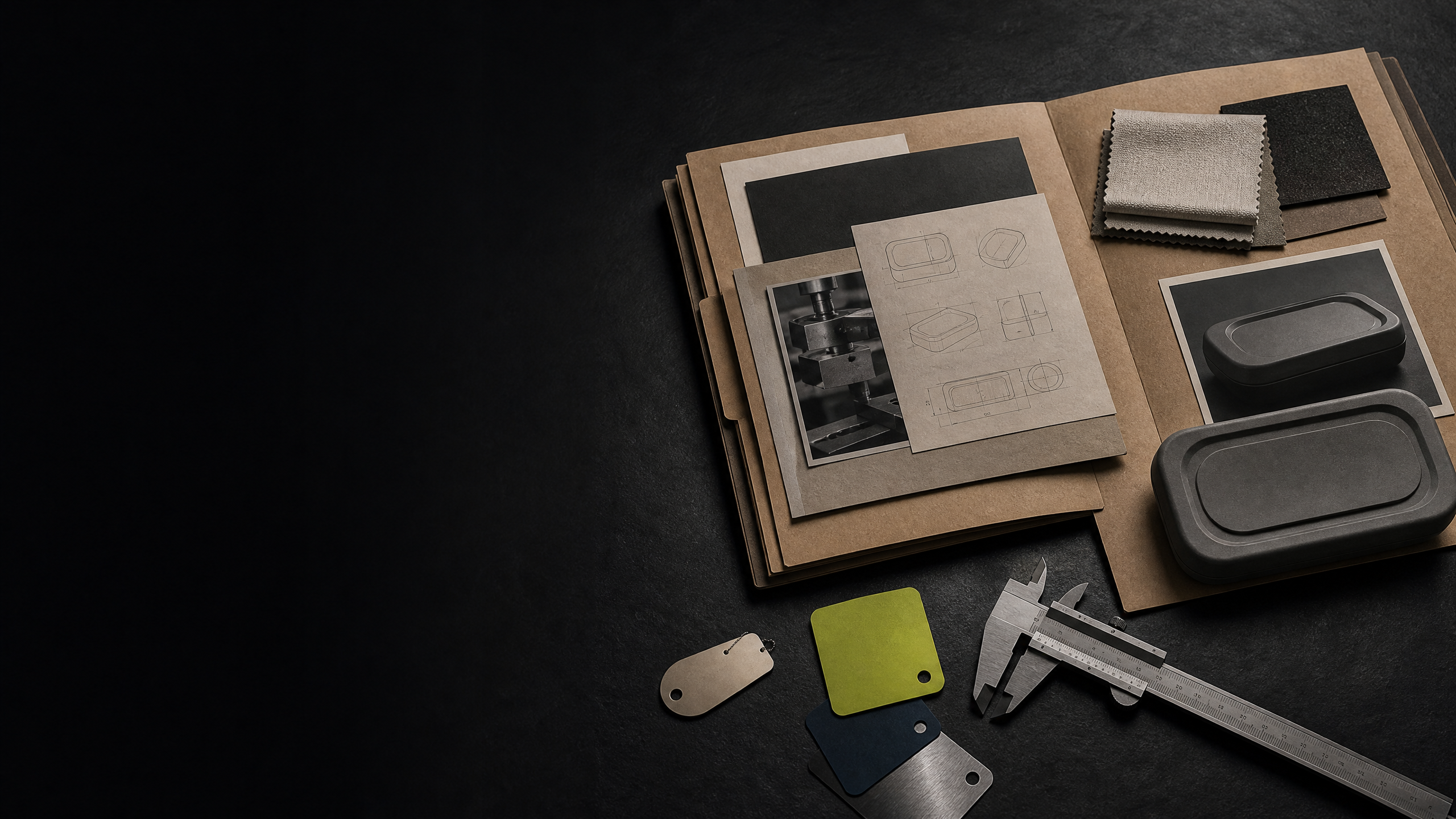
THE VISIT HAS A JOB / STATE IT BEFORE TRAVEL
A buyer visit should make a defined decision easier to understand.
The visit may relate to a supplier shortlist, a product and process question, an existing supplier concern, a sample, a production checkpoint, or a meeting that would be more useful in person. Start by naming the purpose. Then avoid claiming that a single visit can decide every capability, quality, compliance, or commercial question.
For the broader evidence route, read factory audit vs supplier verification, the factory-audit preparation guide, and the supplier verification scorecard.
01 / BEFORE THE VISIT
Prepare the product and supplier record.
- State why this supplier, site, or meeting matters now.
- Bring the current product description, drawing, image, sample note, or relevant quotation.
- List the supplier names, contact roles, site address, and questions already asked.
- Make a short agenda: product, process, capacity question, sample or reference, and next decision.
- Decide what a useful written follow-up must capture.
02 / DURING THE VISIT
Observe the question in the context of the site.
- Confirm which product, process, line, sample, or equipment is actually relevant to the buyer question.
- Record what is shown, what is said, what is not visible, and what needs follow-up.
- Ask how product details, materials, work instructions, quality checks, packaging, and changes are kept visible.
- Take agreed notes or photos only with permission and within the buyer’s authorisation.
- Do not turn an impression into an unsupported conclusion.
03 / AFTER THE VISIT
Turn notes into an owned next action.
- Separate observations from supplier statements and from buyer decisions.
- Link open questions to a person, document, sample, or requested evidence.
- Record any product, quotation, timing, or quality change that needs a new reference.
- Decide whether the next useful step is clarification, sample review, a formal audit, comparison, or pause.
- Share only information the buyer is authorised to use.
THE OBSERVATION NOTEBOOK / KEEP FACT, QUESTION, AND OWNER APART
A simple visit note can stop a useful observation from becoming a lost message.
At the end of a visit, a buyer often has an impression, a long photo roll, and several informal answers. A better record keeps the relevant observation, the product or order context, the question it raises, the evidence requested, and the owner of the next action in the same place.
Record
Useful prompt
Observation
What was observed directly, and where did it relate to the product or order question?
Supplier statement
What did the supplier say, and which document, sample, record, or follow-up could support it?
Open question
What remains unclear, why does it matter, and who can help clarify it?
Next action
Which sample, document, comparison, specialist input, or buyer decision is the practical next step?
BOUNDARY / VISIT, VERIFICATION, AUDIT, AND APPROVAL ANSWER DIFFERENT QUESTIONS
A visit can make a question clearer. It is not an automatic decision rule.
What a factory visit may help a buyer organise
The supplier and product context, questions to ask, what was seen, what the supplier said, product or sample references, requested evidence, and the next action that needs an owner.
What a factory visit does not establish by itself
A visit does not by itself certify a supplier, determine capability, product quality, legal status, ethical conditions, compliance, safety, payment suitability, contract position, or production outcome. A formal audit, verification, testing, and professional advice serve different purposes.
When to pause and ask for specialist input
Pause when the next buyer decision depends on legal, regulatory, product-testing, product-safety, customs, tax, financial, insurance, freight, contractual, or other specialist advice. Record the question rather than assuming the visit answers it.
START WITH THE BUYER QUESTION
Have a supplier, sample, or site question that needs a clearer record?
Bring the supplier context, product reference, and the decision you need to prepare. The useful first step is often a defined question—not a generic factory list.